Metal and shingle roofing with proper underlayment, flashing, ridge vents and drip edges, matched to the building's pitch, your budget and the Middle Tennessee weather.
A roof protects everything beneath it, so details matter. Metal panels shed water and snow quickly and last a long time, while shingles are familiar, quiet and easy to match. Owners in Nashville choose based on style, noise, cost and the pitch of their building, and they want roofs that hold up in wind and hail.
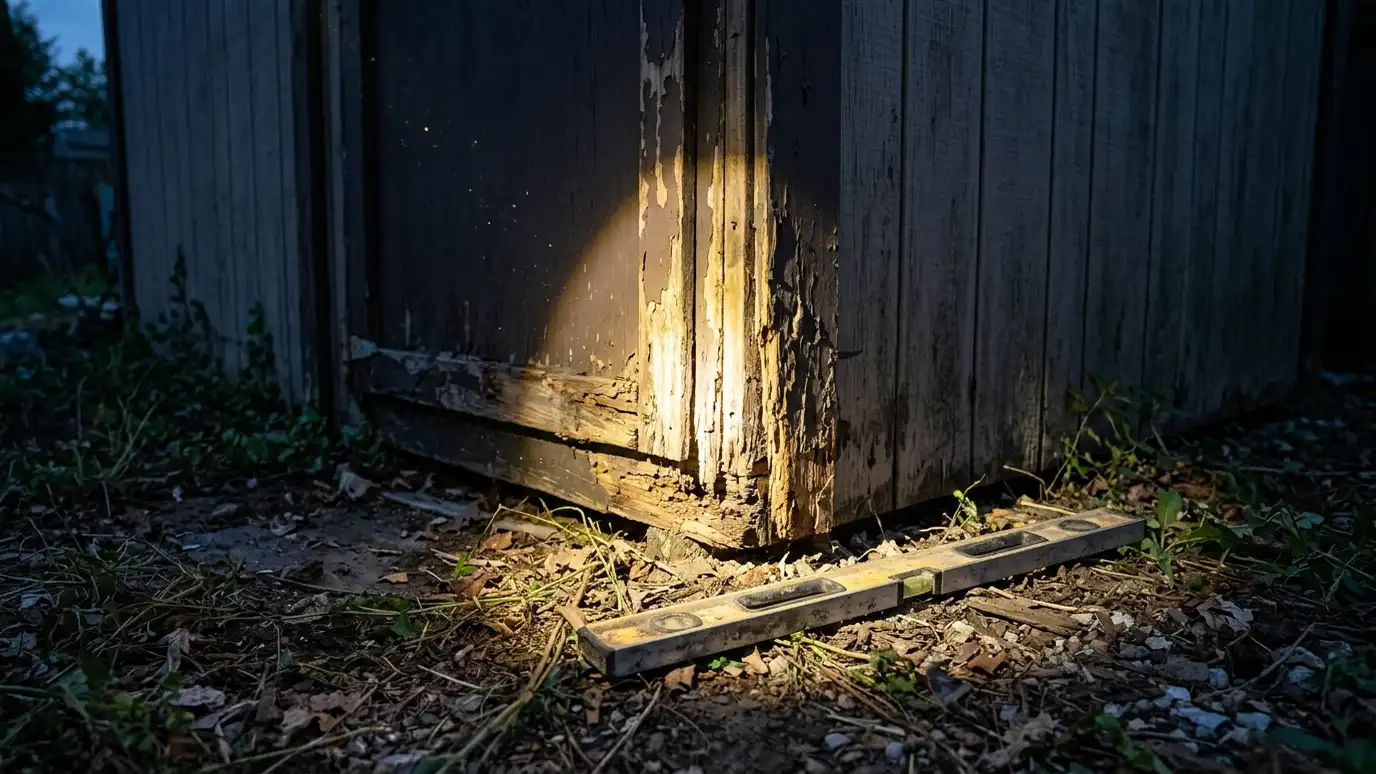
We choose the roofing type from the pitch and use, then install underlayment, drip edge, flashing and fasteners as the maker's instructions require. We plan ridge and soffit vents so heat and moisture can escape, and we detail edges, penetrations and valleys carefully. We explain sound, expansion, color options and what coverage makers describe in their own materials, without making promises of our own. Roofs fail at edges, penetrations and transitions, so those are where we spend the most time. Drip edges guide water into gutters, flashing wraps vents and walls, and underlayment protects the deck if wind drives rain under the surface layer. We choose fasteners and sealants suited to the material and the weather. We also talk about snow and ice, the sound of rain on metal and how a lighter color can reduce heat in summer.
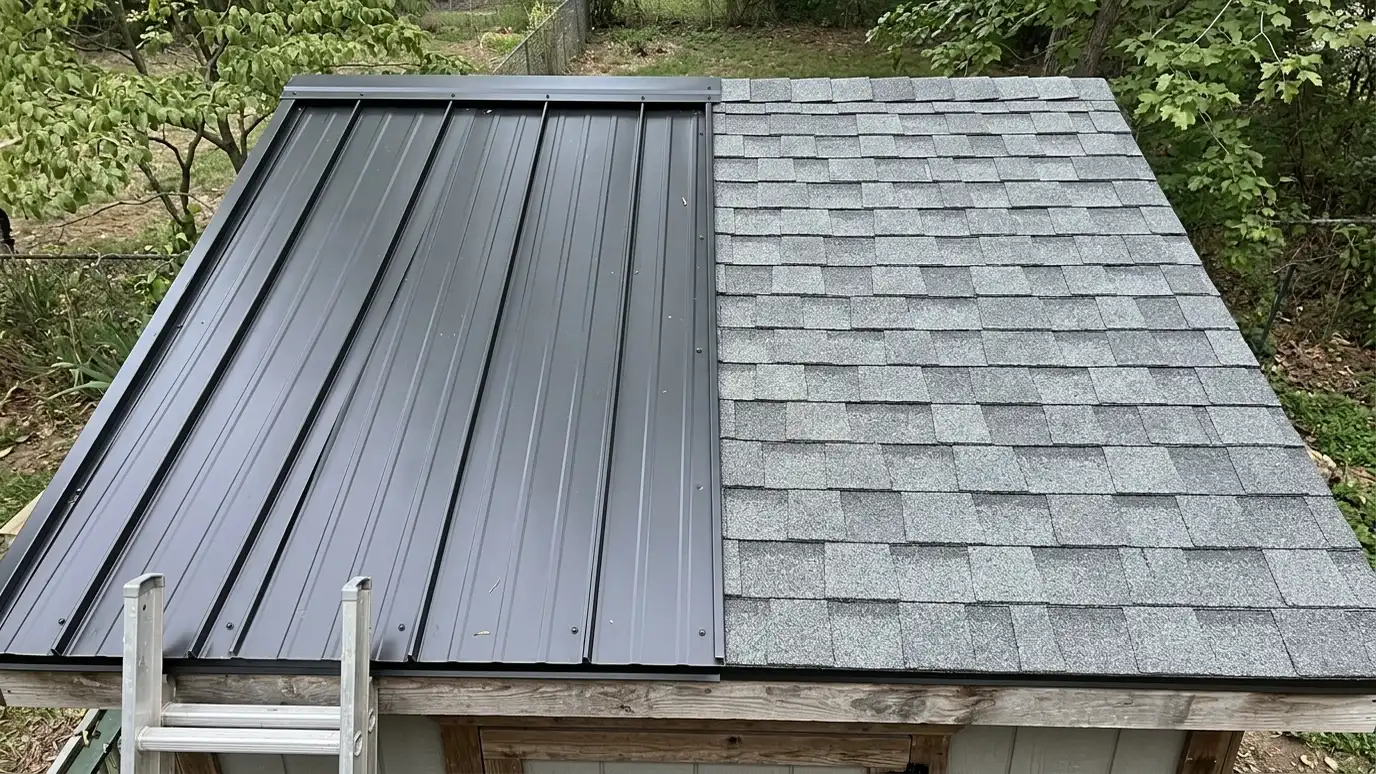
Metal and shingle roofs differ in cost, sound, weight and look, and pitch limits the choices.
Underlayment, ice and water protection in key spots and drip edges help keep water out.
Walls, vents and valleys are detailed carefully, because leaks start at joints.
Ridge and soffit vents help the roof breathe and reduce heat and moisture in the building.
Drag the handle to compare.
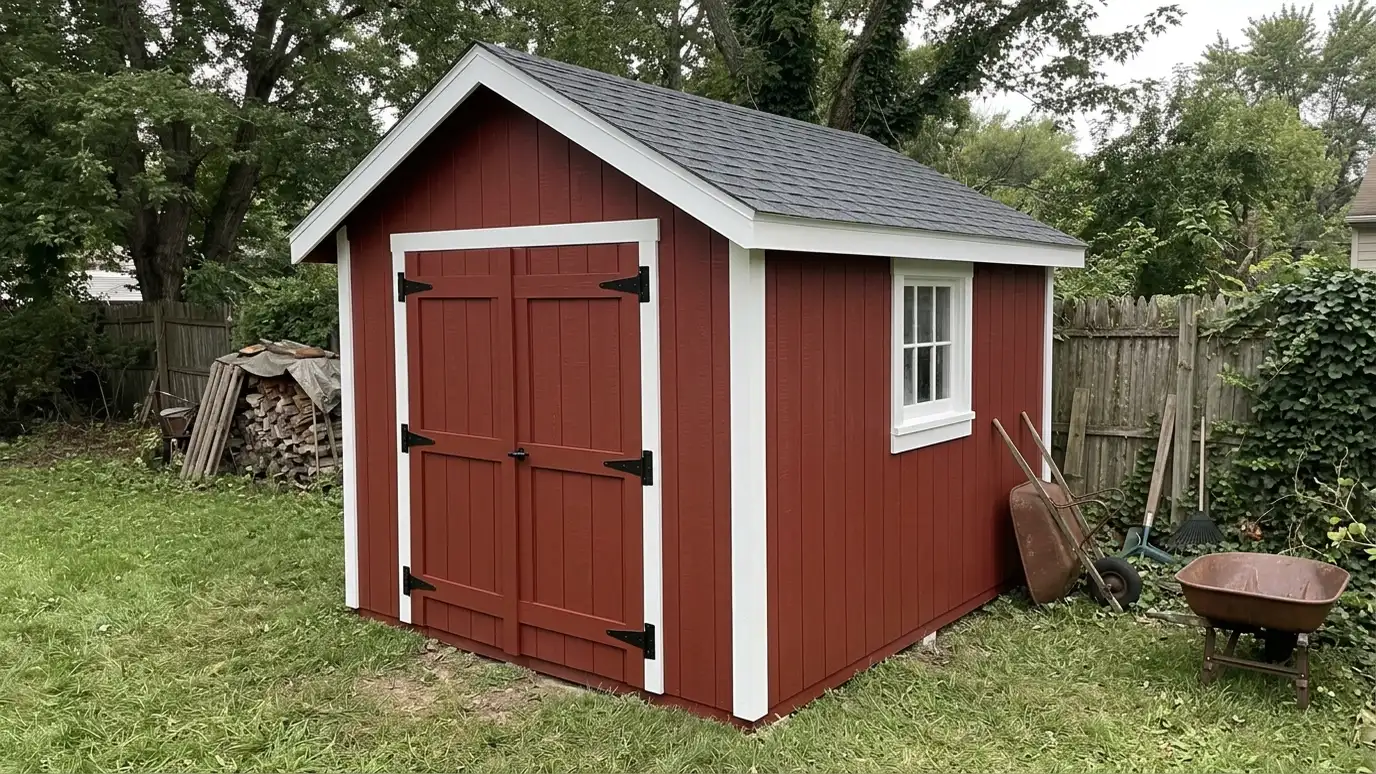
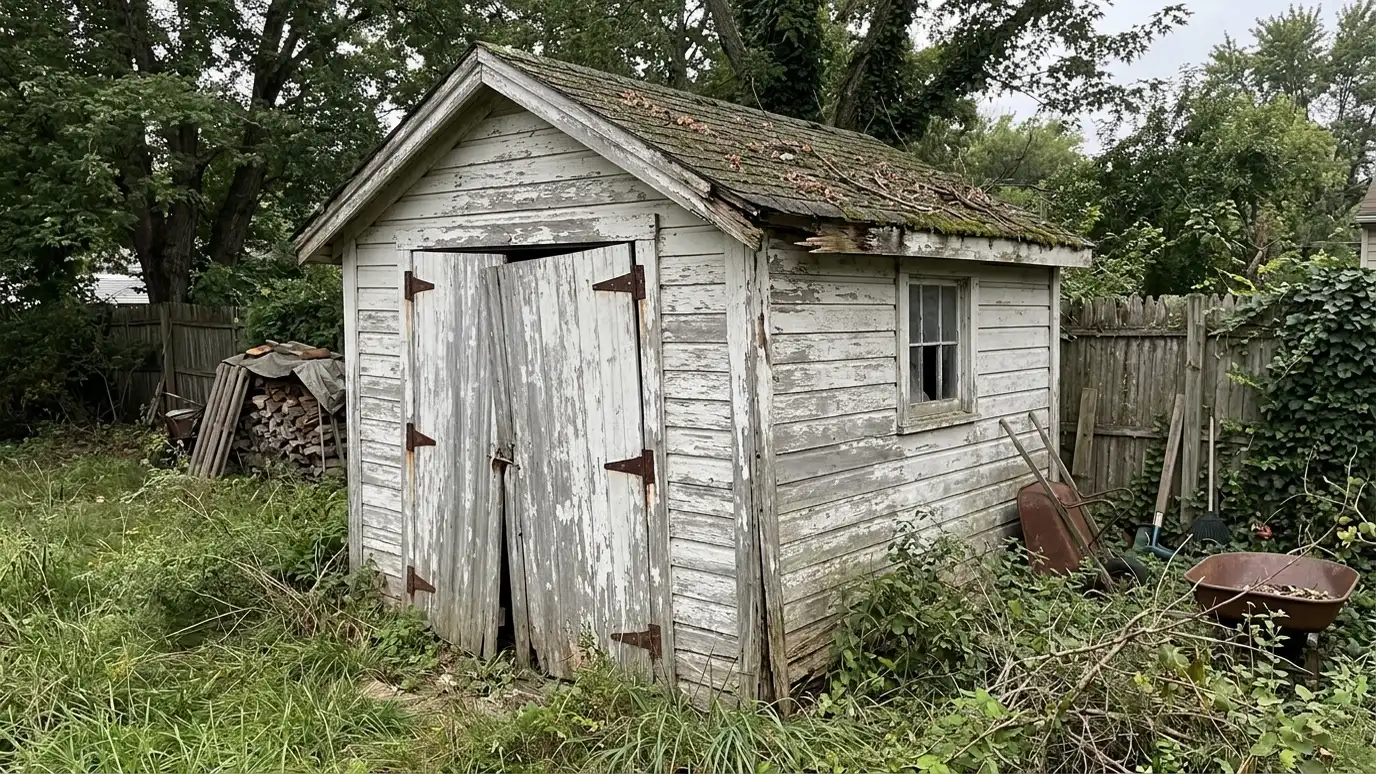 BeforeAfter
Choose by need.
A second line of defense.
At every joint.
Air and moisture escape.
Match the house.
What to check.
Every topic has its own page with what to expect and how we approach it.
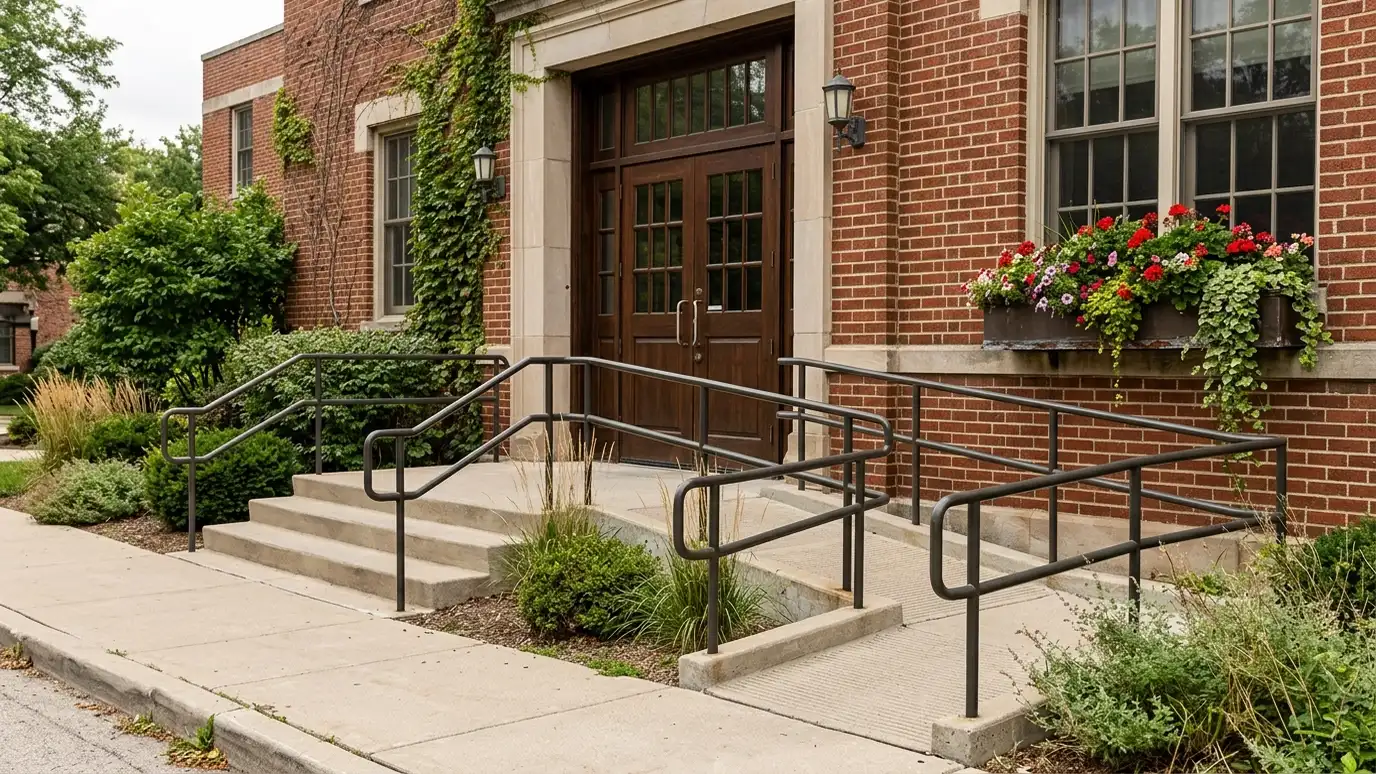 Comparison guideDoors, Windows and AccessHow door types, window styles, ramps, steps and porches affect how easy and comfortable a shed, garage or…Learn more
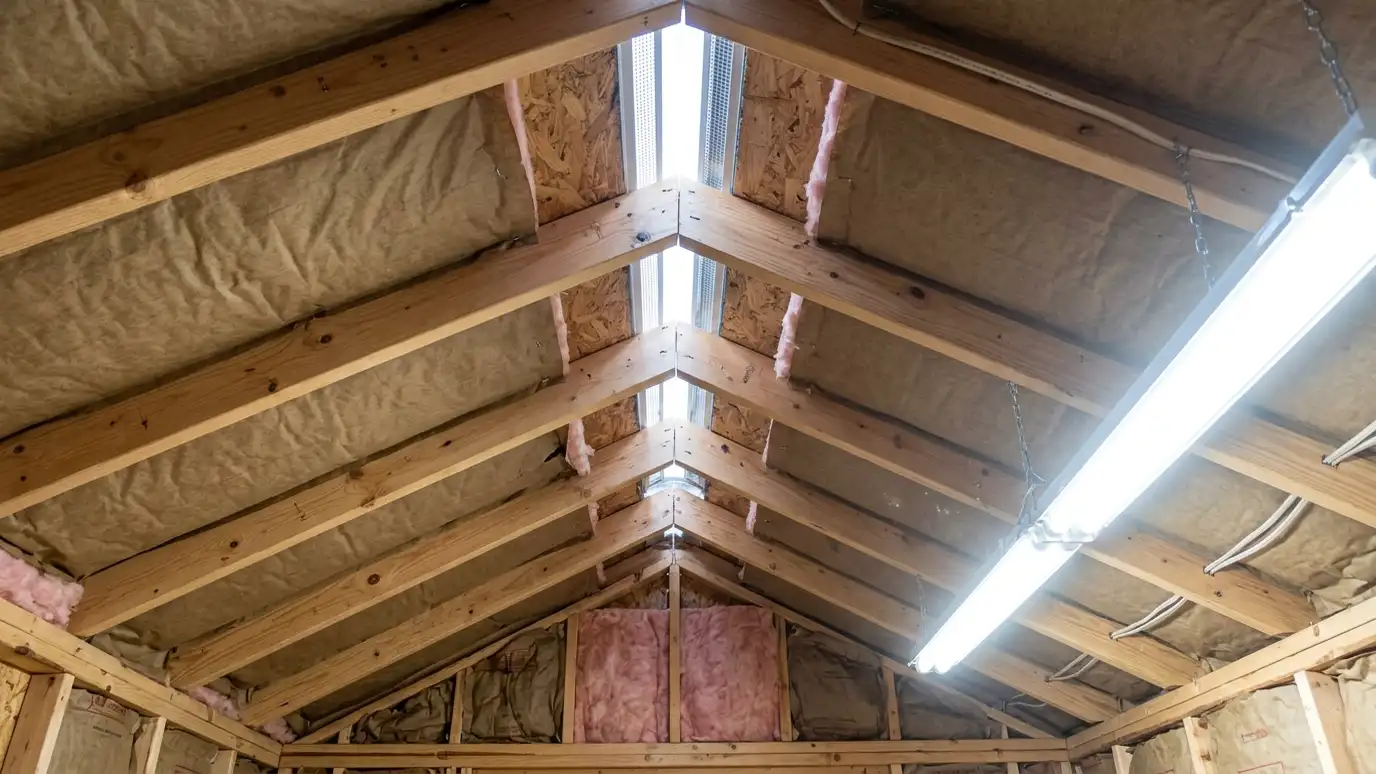 Comparison guideInsulation and VentilationHow insulation, vapor control, vents and mini-splits keep sheds, garages and studios comfortable and protect tools from moisture.Learn more
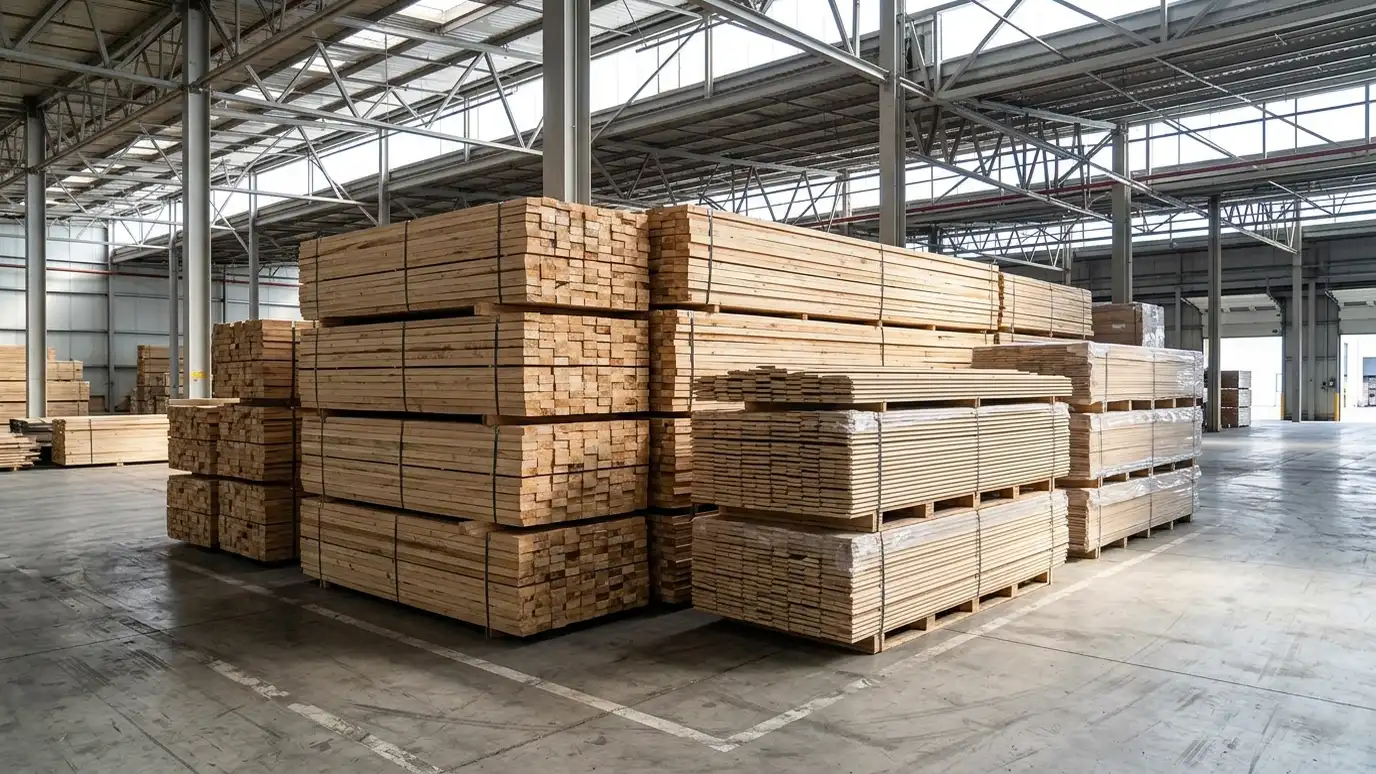 ResourceLP SmartSideA maker of engineered wood siding, trim and sheathing, with product guides, color and installation information.Learn more
Enter the width, depth and wall height of your building to see floor area, wall framing, sheathing, siding, roofing, concrete or gravel and door and window counts.
You tell us what you want to build or fix, how you will use it and where it will sit, and we ask about the lot and your timing.
We walk the lot, check slope, drainage, access, utilities and setbacks, and take photos and measurements.
You get a plain written estimate with the size, materials, foundation, finishes and schedule before anything is ordered.
We mark the layout, clear and level the area, set the foundation and arrange permits, delivery and utilities.
The frame, roof, siding, doors and windows go up, then the interior, power and trim are finished to the plan.
We walk the finished building with you, leave a care guide and photos and make it easy to schedule a checkup.
Each has strengths. Metal sheds water and lasts, while shingles are quieter and easy to match. We compare them for your building.
It can be, though insulation and underlayment reduce it. We explain the options.
It depends on the roofing type. Low pitches need specific materials and details.
Many describe them in their own materials. We do not make promises on their behalf.
Yes, and we check the decking and framing first.
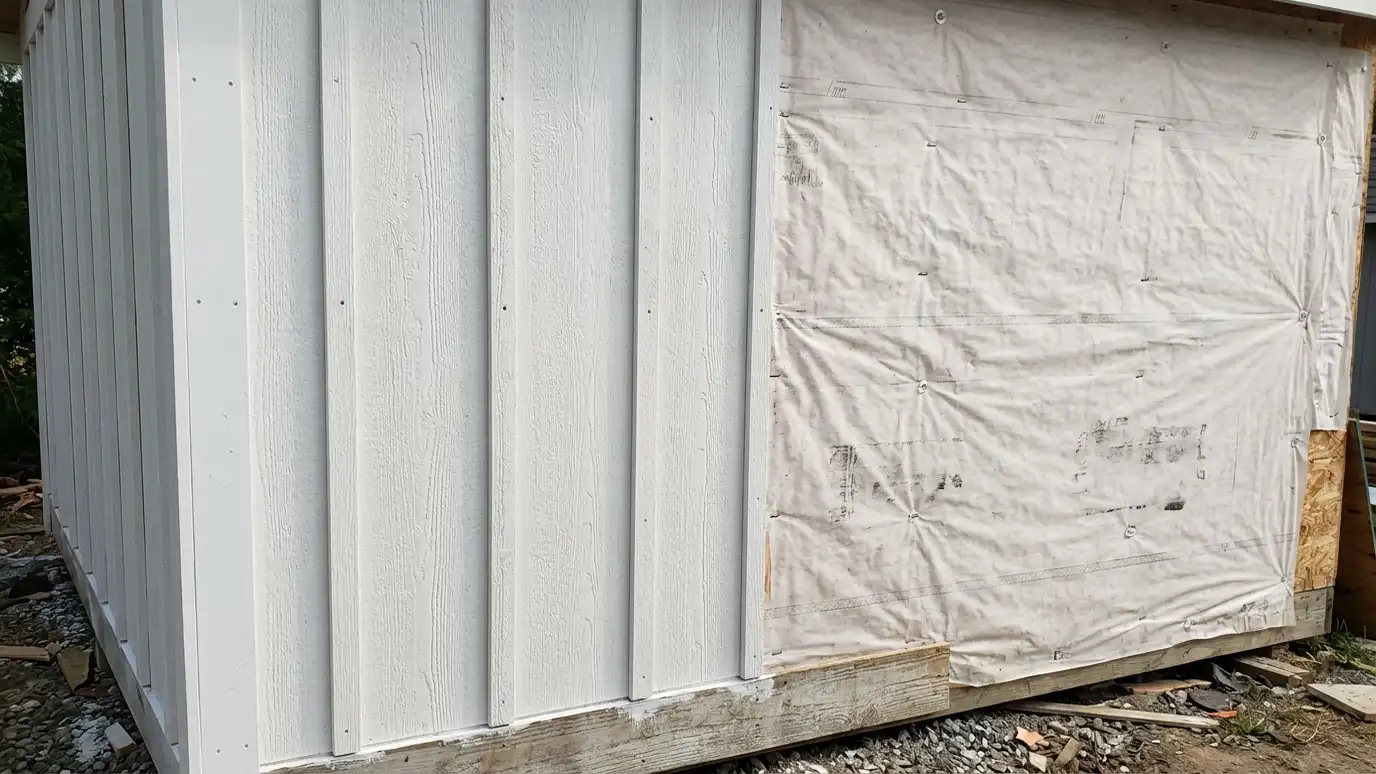 Siding and FinishesSiding and exterior finishes in engineered wood, fiber cement, board-and-batten, vinyl and metal, chosen to match your home…Explore
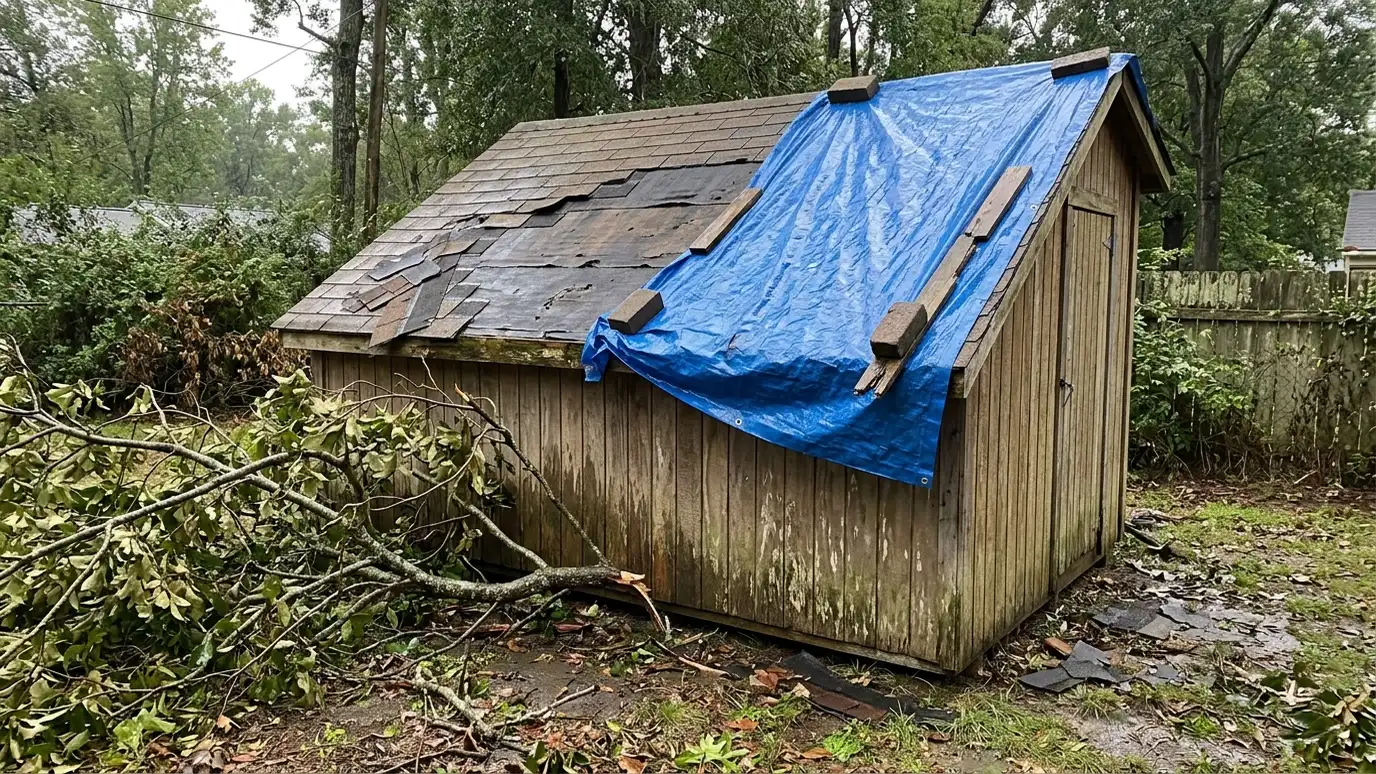 Roof and Storm RepairRoof leak and storm damage repair for shingles, metal panels, flashing, trim and framing, with temporary protection first…Explore
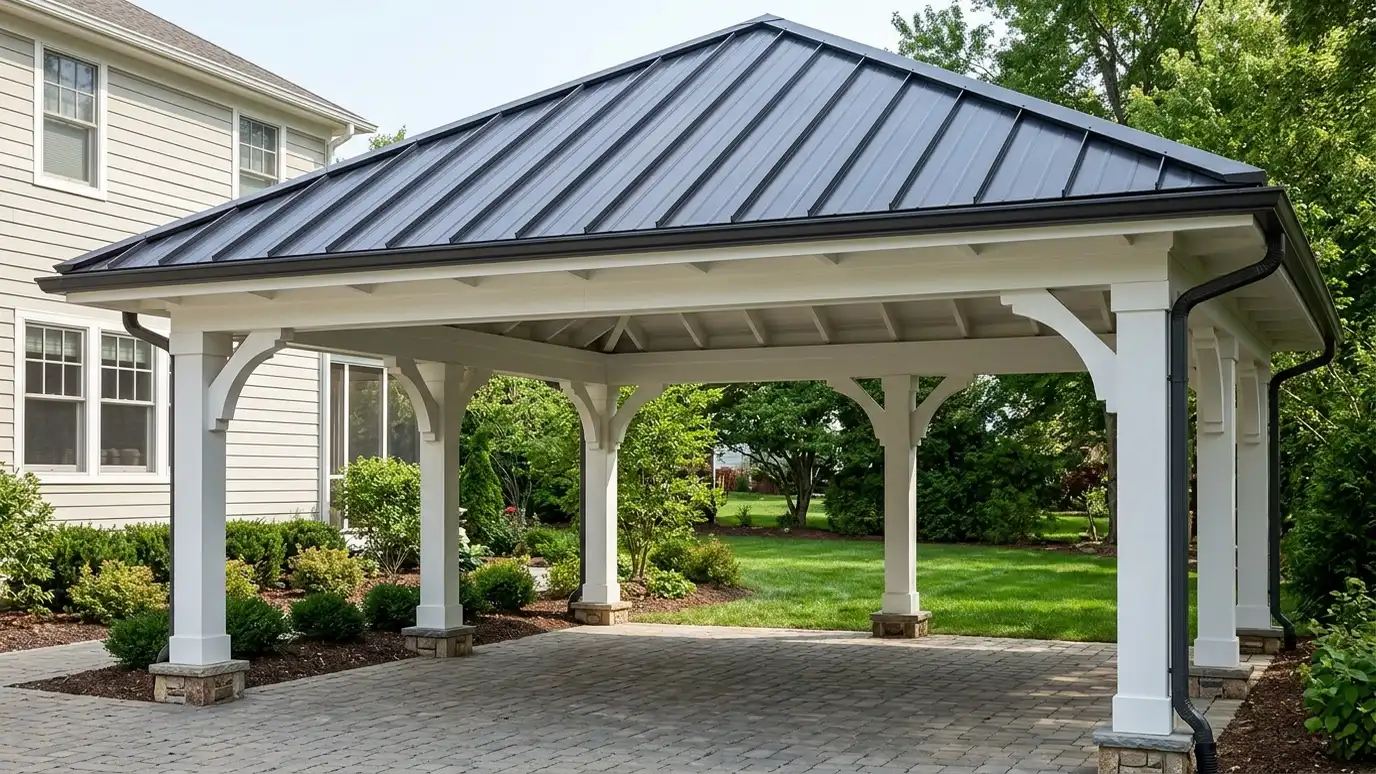 Roof Styles and TrimCarport roof styles and custom trim, from flat and gable to hip and standing-seam metal, with brackets, columns…Explore
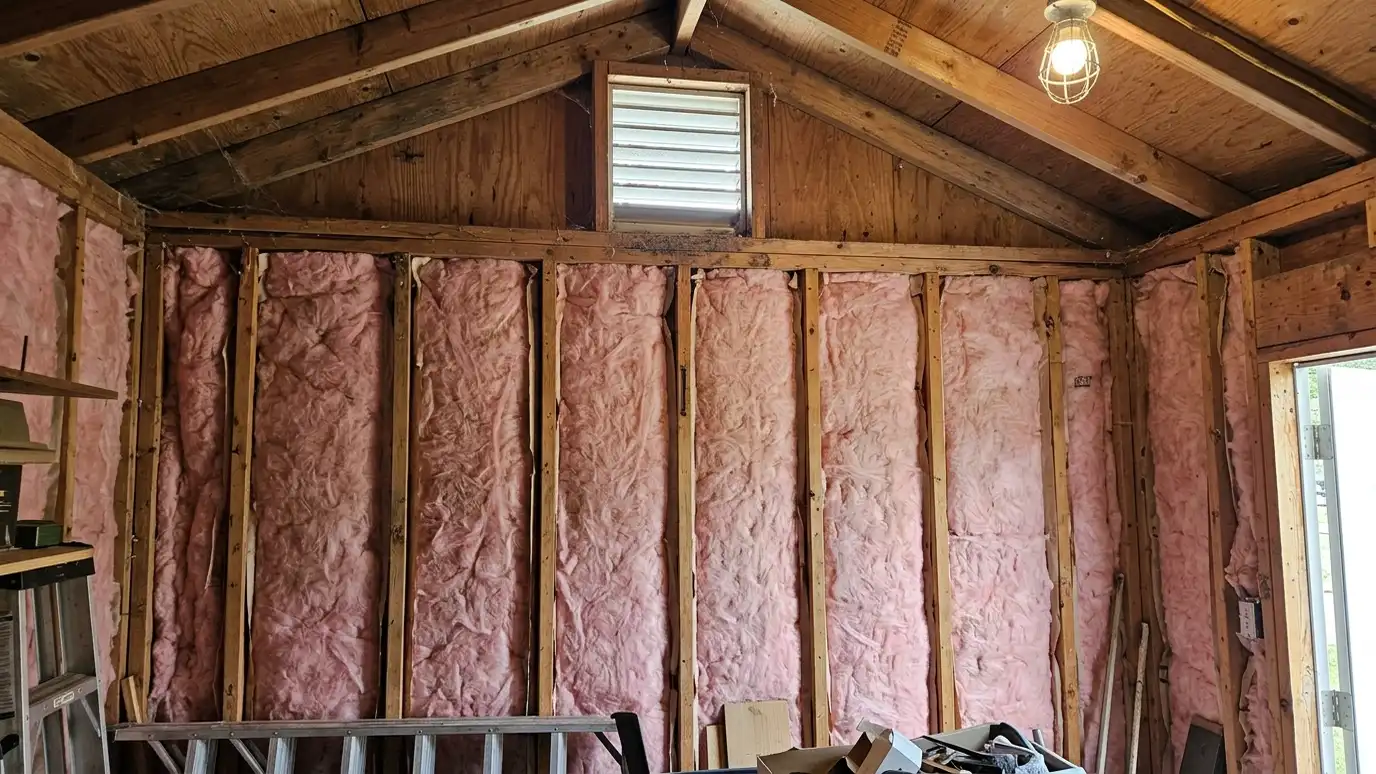 Insulation and VentsInsulation and ventilation for sheds, garages and studios that control heat, cold and moisture with wall and ceiling…Explore
Tell us about your lot and your idea and we will call you back to set up a visit.
Or call (615) 357-7797 to talk now.